Republicans See Midterm Opportunity as Iran Conflict Energy Costs and Democratic Divisions Intensify
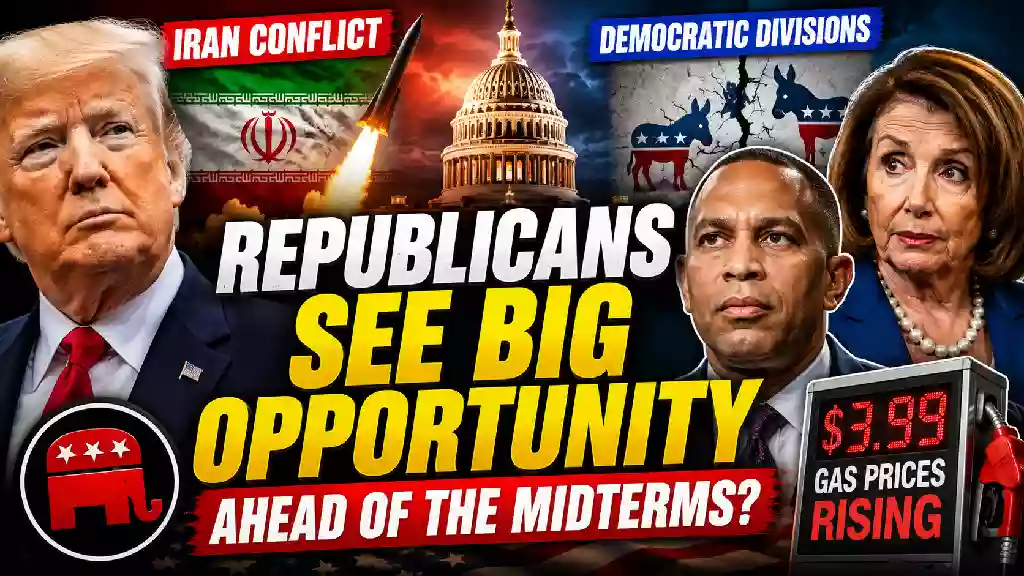
Republicans face a potential political opening ahead of the 2026 midterm elections as the Iran conflict, energy costs and divisions within the Democratic Party become major campaign issues.
Republicans See Midterm Opportunity as Iran Conflict Energy Costs and Democratic Divisions Intensify
Republicans Spot Opening Ahead of Midterms as Iran Conflict and Democratic Divisions Reshape Political Landscape
The Republican Party could be facing a critical political opportunity heading into the 2026 midterm elections as the ongoing Iran conflict, energy prices and divisions within the Democratic Party reshape the national political debate.
While the prolonged confrontation with Iran presents significant challenges for the Trump administration, Republican strategists and analysts believe disagreements among Democrats could create openings on key congressional votes and potentially help the GOP defend its position in Washington.
Iran Conflict Remains a Major Political Challenge
The conflict with Iran continues to dominate discussions surrounding U.S. foreign policy and national security. The Trump administration has emphasized military pressure and sanctions, arguing that economic restrictions could place increasing pressure on the Iranian regime.
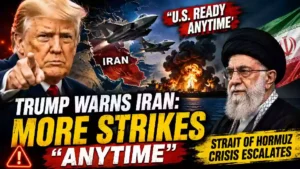
Officials have also warned that the United States will continue targeting threats to American forces and international shipping in the Strait of Hormuz.
However, the conflict has lasted considerably longer than initially expected. Analysts noted that President Donald Trump had previously suggested the fighting would last only a matter of weeks, while the confrontation has now continued for more than six months.
Iran has also shown little indication of capitulating, according to the discussion, leaving Washington facing difficult decisions about whether to increase pressure, pursue negotiations or continue its current strategy.
Energy Prices Put Republicans Under Pressure
The Iran conflict has also become an economic and political issue because of its impact on energy markets.
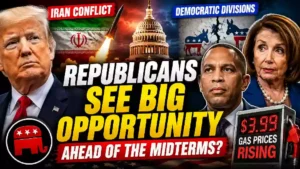
Democrats have focused heavily on gasoline and electricity costs, arguing that American families need immediate relief. Oil prices discussed during the political debate had moved from the $80 range into the $90s, increasing concerns about affordability.
That could become an important issue during the midterm campaign.
Republicans, however, argue that the administration is pursuing a broader long-term energy strategy. One component involves increased cooperation with Venezuela and investment in oil production.
The proposed Venezuelan energy partnership described in the discussion includes development of 17 oil fields and substantial investment over a 25-year period. Chevron was cited as planning billions of dollars in investment and increased production.
Supporters say such measures could strengthen U.S. energy security over time, while critics argue that long-term projects do not immediately reduce the financial burden facing Americans.
Democrats Face Questions About Party Unity
While Republicans face criticism over the economy and the Iran conflict, Democrats may have their own political problem: maintaining unity.
The discussion highlighted an unusual House vote in which two Democrats crossed party lines to support a Republican-backed measure. The vote passed 210-208, with five Republicans voting against it and two Democrats voting in favor.
The development prompted questions about whether Democratic leadership can keep its caucus united as the party attempts to regain control of the House.
Democratic Leader Hakeem Jeffries could face pressure from different factions within his party, particularly as progressive members become increasingly influential.
For Republicans, that could create opportunities to attract Democratic votes on selected legislation.
A Potential Republican Opportunity
Political analysts suggested that Democratic divisions could give Republicans an advantage when lawmakers face controversial votes.
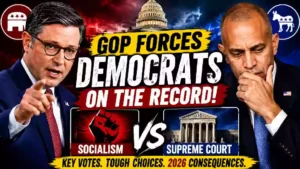
Republican leaders, including Speaker Mike Johnson, could potentially use disagreements within the Democratic caucus to build bipartisan support on certain issues.
The source specifically points to the possibility of Republicans securing Democratic support on key votes if progressive members and more moderate Democrats become divided. That could prove strategically important in a closely contested Congress.
Still, the opportunity does not guarantee electoral success.
The economy, energy prices and the continuing Iran conflict could all become liabilities for Republicans if voters believe the administration has failed to deliver immediate improvements.
The 2026 Midterms Could Turn on Affordability and Leadership
As the midterms approach, both parties are preparing for increasingly competitive races across the country.
For Democrats, the strategy is likely to focus heavily on affordability, gasoline prices and criticism of the administration’s handling of the Iran conflict.
For Republicans, the challenge will be turning national security, energy policy and Democratic divisions into a convincing argument for maintaining control of Congress.
The political environment remains fluid, and neither party can assume that current divisions or polling trends will determine the final outcome.
What is clear is that the Iran conflict has expanded beyond foreign policy. It has become intertwined with energy prices, economic concerns and the battle for congressional control.
For Republicans, those challenges could become an electoral liability — or, if strategically managed, an opportunity to strengthen their position ahead of the 2026 midterm elections.
#RepublicanParty #Republicans #MidtermElections #Election2026 #DonaldTrump #Iran #IranWar #USPolitics #Democrats #Congress #EnergyPrices #OilPrices #HakeemJeffries #MikeJohnson