1 reason why Walz and Frey Under Fire as Minneapolis Emails Reveal ICE Tracking Efforts
Walz and Frey Under Fire as Minneapolis Emails Reveal ICE Tracking Efforts
Walz and Frey Under Fire as Minneapolis Emails Reveal ICE Tracking Efforts
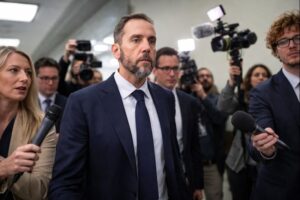
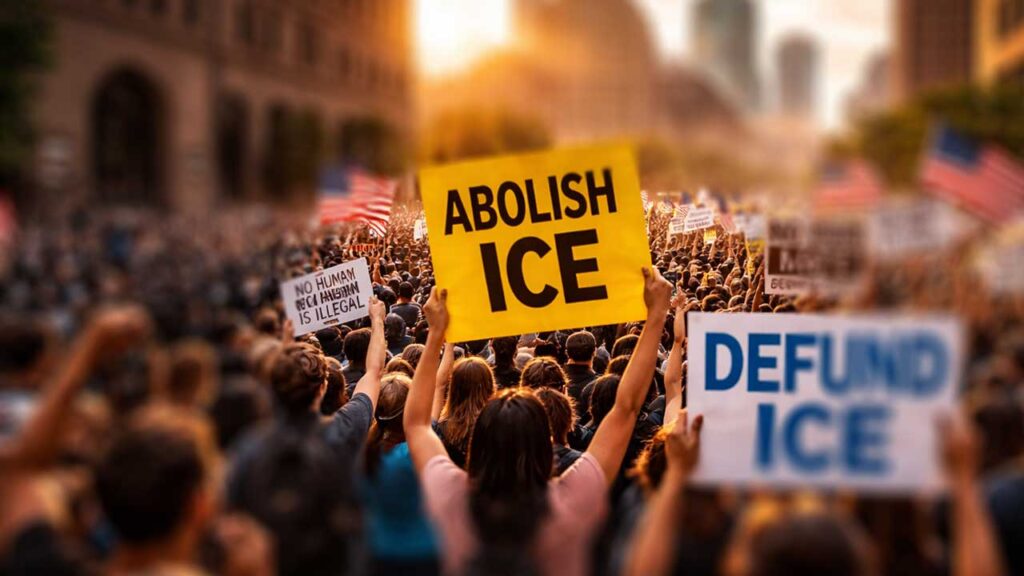
Anti-ICE protests in Minneapolis continue to escalate after the release of internal city emails showing that municipal officials were working with “partners and community groups” to track Immigration and Customs Enforcement (ICE) activity and share that information. The revelation has sparked a federal response, with the Department of Justice opening an investigation into Minnesota Governor Tim Walz and Minneapolis Mayor Jacob Frey over allegations that their policies may be impeding federal law enforcement operations.
The controversy has reignited a national debate over sanctuary-style policies, public safety, and the limits of state and local authority when it comes to enforcing federal immigration law.
Internal Emails Spark Federal Scrutiny
According to reports, a Friday email sent to Minneapolis city employees confirmed that the city was coordinating with outside groups to monitor ICE movements and disseminate that information. Critics argue that putting such coordination in writing signals direct interference with federal enforcement efforts.
The Department of Justice investigation is now examining whether the actions of state and city leaders cross the line from policy disagreement into unlawful obstruction. While Minneapolis officials have defended their approach as community-focused, federal authorities are assessing whether these efforts amount to impeding ICE’s ability to carry out lawful arrests.
Sanctuary Policies by Another Name?
Minneapolis leaders have long resisted the “sanctuary city” label, instead referring to their framework as a “separation ordinance.” Mayor Frey has argued that the city does not formally prevent ICE from operating. However, critics point to specific policies that suggest otherwise.
Just weeks ago, the Minneapolis City Council passed a measure barring ICE vehicles from parking in government-owned parking facilities. Combined with non-cooperation rules that limit local police assistance, opponents say these policies function as de facto sanctuary protections—regardless of what they are called.
Conservative commentators argue that such measures prioritize political messaging over public safety and invite confrontation between activists and law enforcement officers.
Safety Concerns and Rising Tensions
Fox News contributor Bill McGurn warned that refusing to cooperate with ICE “invites tragedy,” pointing to recent violent incidents involving suspects who could have been detained earlier. He argued that when local governments decline to assist federal authorities, ICE agents are forced to conduct arrests in the community rather than in controlled environments such as jails—dramatically increasing the risk to officers and bystanders alike.
As protests intensify, critics say city rhetoric risks encouraging demonstrators to move beyond peaceful protest into interference with law enforcement, which can constitute a federal crime.
Stephen Miller: “Acts of Insurrection”
White House Deputy Chief of Staff and Homeland Security Advisor Stephen Miller weighed in forcefully, calling the actions of Minnesota leaders “acts of insurrection against the laws of the United States.”
Miller argued that sanctuary jurisdictions shield criminal illegal aliens—even those charged with violent crimes—from deportation, releasing them back into communities where they can reoffend. According to Miller, ICE is then forced to locate and arrest these individuals in neighborhoods, increasing danger for everyone involved.
He went further, claiming that when ICE officers attempt to carry out arrests, local leaders allow or enable hostile mobs to obstruct and assault federal agents, while simultaneously refusing to provide adequate police protection.
Federal Authority vs. Local Defiance
At the heart of the dispute is a fundamental constitutional question: who controls immigration enforcement in the United States? Miller emphasized that immigration law is federal by design, warning that allowing cities or states to set their own rules would lead to “total anarchy” and the dissolution of national sovereignty.
Supporters of stricter enforcement argue that uniform federal law is essential to maintaining order and security. Allowing each city or state to decide whether to cooperate with ICE, they say, creates a patchwork system that undermines the rule of law.
Calls to Defund ICE Raise Stakes Further
The situation has grown even more volatile as progressive Democrats consider leveraging a partial government shutdown to demand defunding ICE and other Department of Homeland Security agencies. Miller warned that such a move would cripple not only ICE, but also Border Patrol, TSA, and the Secret Service.
He stressed that ICE agents are actively targeting some of the most violent criminal organizations operating in the United States, including MS-13, the Sinaloa cartel, and Tren de Aragua. Defunding or disabling DHS, he argued, would leave federal officers exposed and embolden criminal networks.
What Comes Next?
As protests continue and the DOJ investigation unfolds, Minneapolis finds itself at the center of a broader national conflict over immigration enforcement, public safety, and political power. Whether the actions of Governor Walz and Mayor Frey ultimately lead to legal consequences remains to be seen, but the episode underscores how deeply divided the country remains on immigration—and how quickly local policy decisions can escalate into federal confrontations.
#ICE #SanctuaryCities #MinneapolisProtests #ImmigrationEnforcement #RuleOfLaw